
Co-School | n.
[ koh • skool ]
An educational institution which partners with homeschooling families to provide group instruction in specific curricula utilizing a professional faculty.

Imagine the impact…
…of students who know how to learn for themselves, and who have been trained to lead people by serving.
…of students who have built community together and who are aware of the needs of those around them.
…of students who have experienced the power of prayer and who live in relationships marked by humility, integrity, and love.
Can you imagine it? Picture your son, or your daughter. It can all start with a child.
At Greenhouse, we absolutely believe it. We have seen it for over 25 years.
How well does co-schooling prepare students for college?
Our professional faculty are strong guides; and many graduates have said that their education at Greenhouse was even more robust than their college classes. During high school, our students work from a syllabus, and learn to manage their time with a class that meets only once or twice a week. They learn to meet deadlines, and have opportunities to collaborate with classmates. Our high school program, Rhetoric, consists of cohort-style learning, discussions, robust study and written work, assessments that challenge them in good ways, and public speaking opportunities. Whether or not our graduates pursue higher education (and most of them do), each one leaves Greenhouse equipped with a solid foundation of learning that can serve them wherever God leads them.
How readily do colleges accept co-school graduates?
Greenhouse provides detailed course descriptions for all of our high school offerings, as well as a transcript-writing workshops for our families. Many of our courses are honors-level; in fact, most of our upperclassmen earn college credit for the humanities coursework which they take at Greenhouse. Our graduates have gone on to over 40 different colleges and universities. Some have attended Christian schools like Wheaton College, Asbury, Biola, Taylor, and Calvin. Others have attended universities including Northwestern, UIC, DePaul, and University of Virginia. Most of our students have been offered admission to the schools of their choice.

What support does co-schooling offer to me as a home educator?
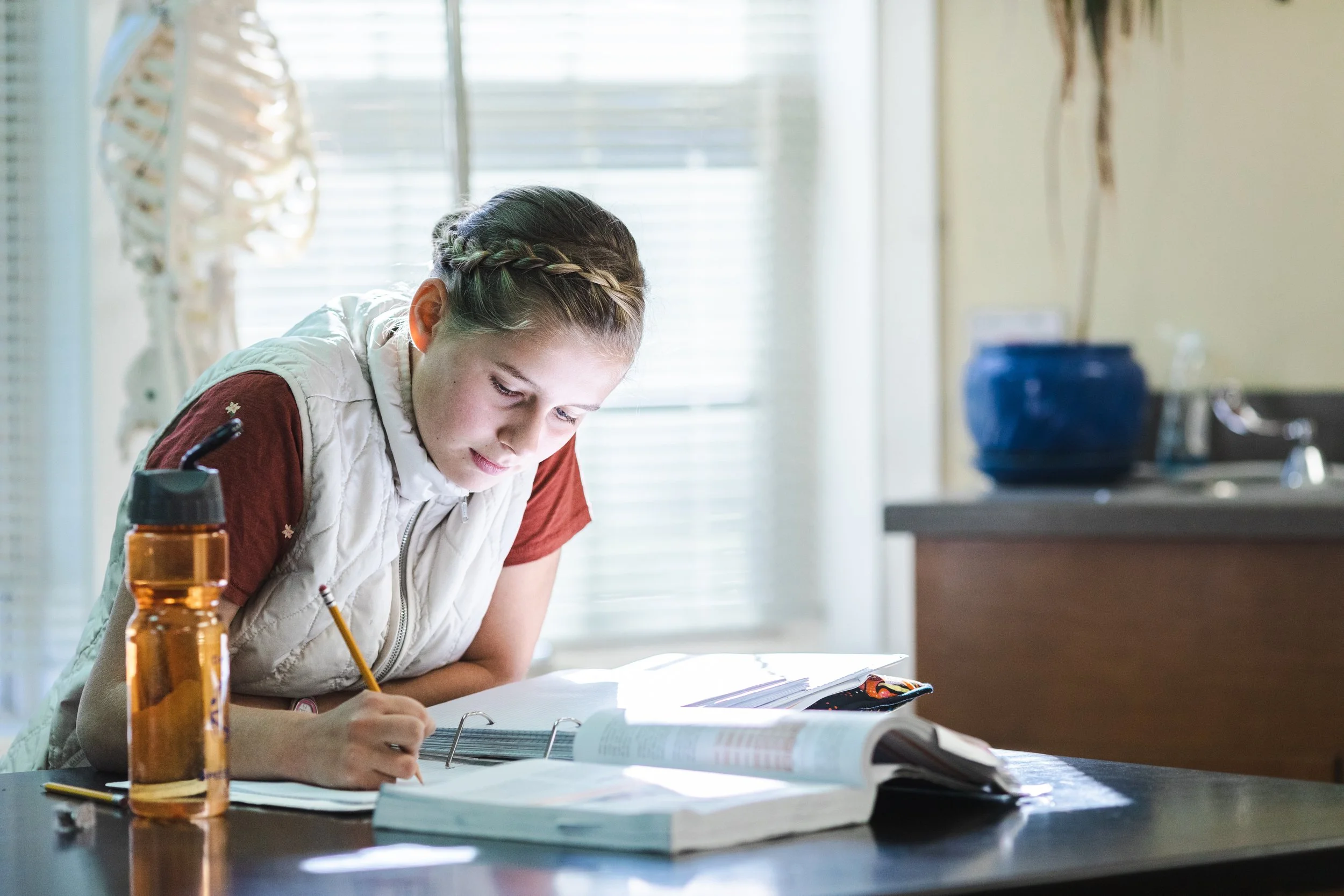
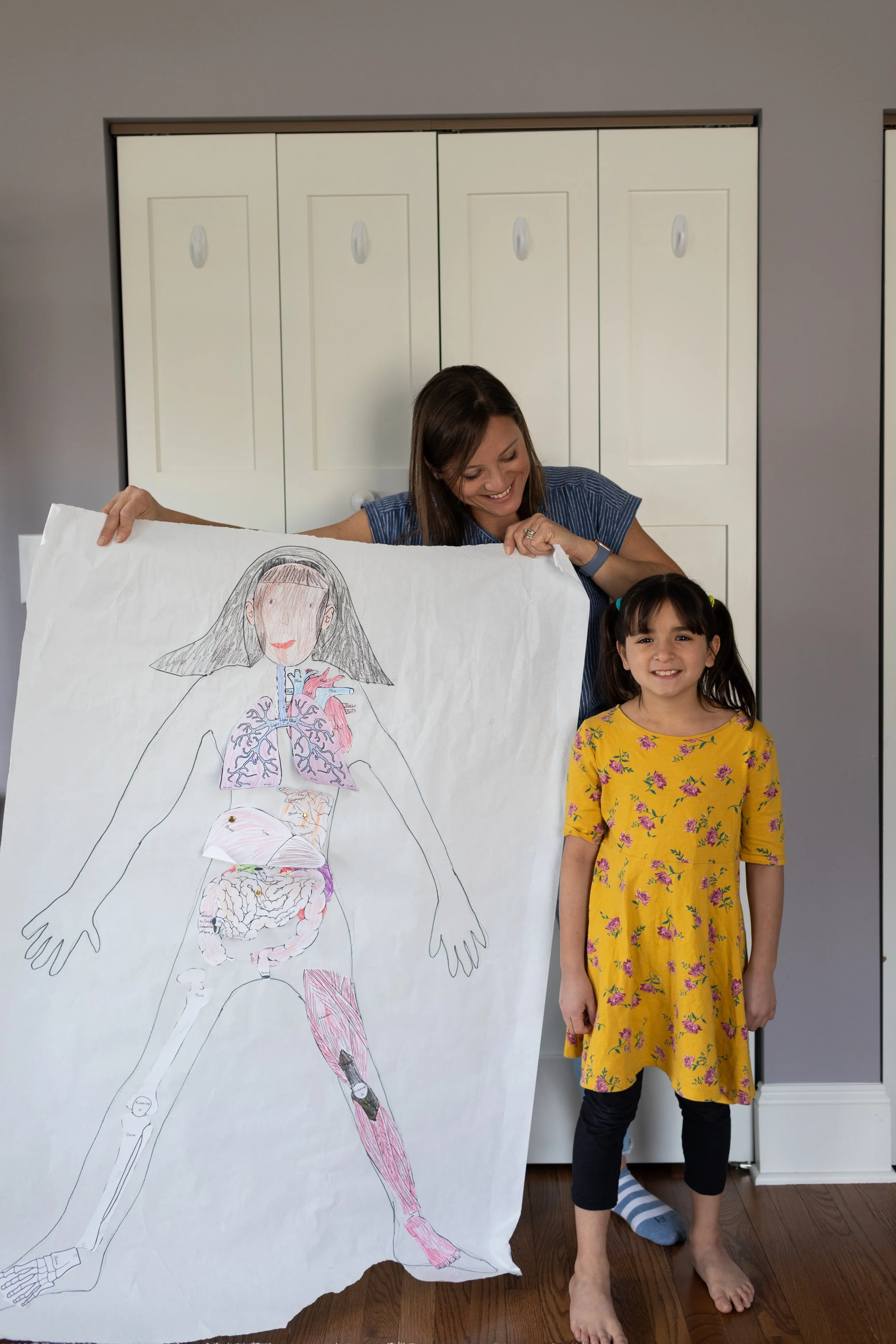
We recognize that becoming a home educator can feel overwhelming. This is why we believe co-schooling is so important. At Greenhouse we have created a system that doesn’t compete with the parents’ primary role as educators, but comes alongside to offer support and structure for homeschooling families. We make some curricular decisions for you, and curate resources to build from. In other areas, such as language arts and math, parents make their own curriculum choices. For each core class at Greenhouse, we provide a syllabus to help parents see exactly what is covered. We also offer workshops to address the needs of home educating parents. Our professional faculty has been trained in effective methods for teaching, lesson planning, and assessing student learning. They cover areas of specialized skill or knowledge that a parent may lack. In addition to our faculty, families become part of a community of homeschoolers who support and encourage each other. We regularly hear that our approach is what makes families feel that they can homeschool, since they are not left to figure everything out on their own.
How does co-schooling help with extra-curricular activities?
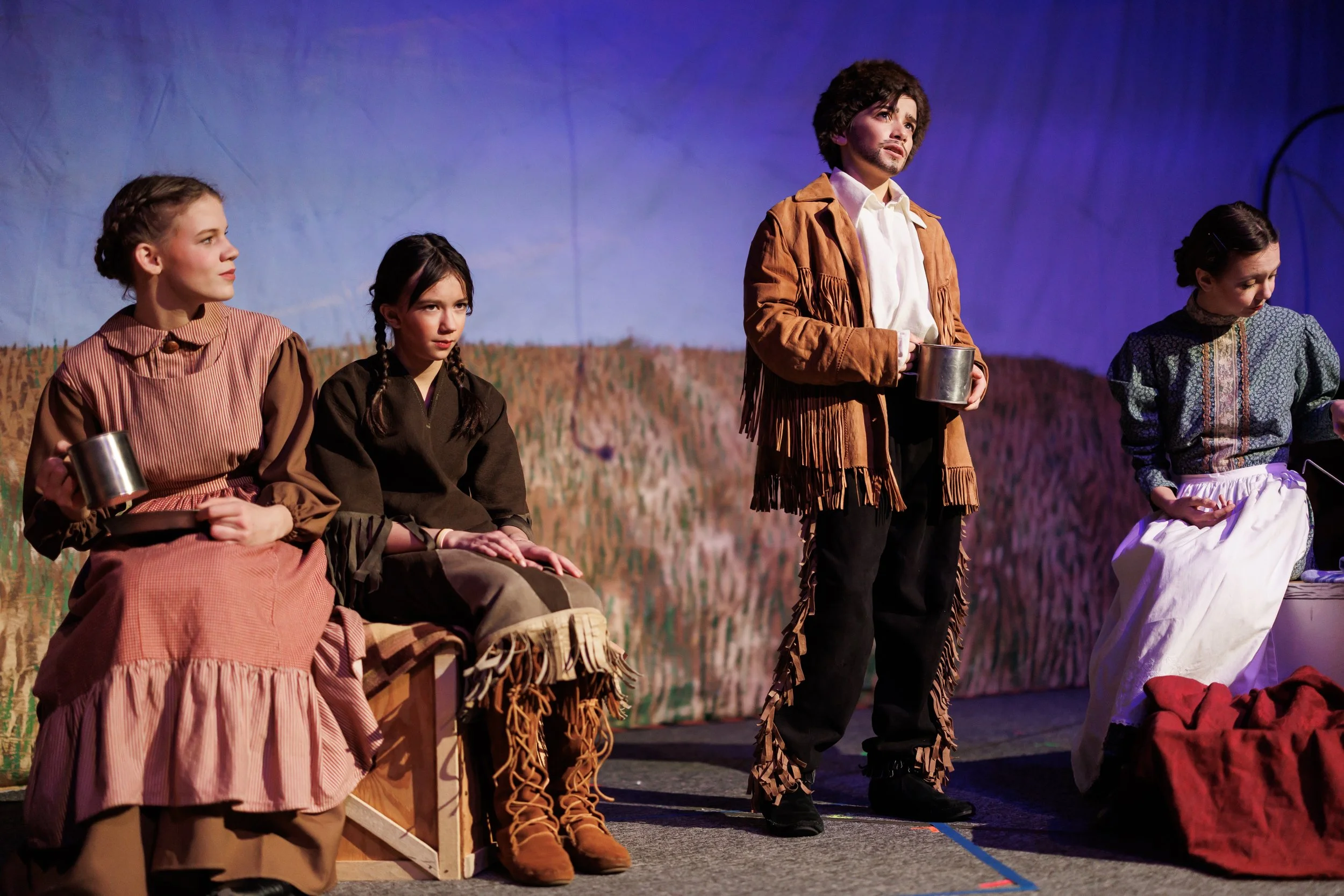
Many special interests are built into the curriculum at Greenhouse. All core students in grades 1-8 get to participate in music, dance, and drama. They all perform before live audiences and share what they have learned as a gift to the community. Similarly, students in grades 1-8 participate in studio art which culminates in a week-long art show. High school students who are interested in fine arts may take electives in art, or improv, or help with the annual play. We also offer electives in outdoor adventure skills, etiquette and foreign languages. We offer communities for young writers and sponsor contra dances throughout the year. Beyond Greenhouse, we have students involved in competitive swimming, cross country, soccer, football, baseball, bands and orchestras in local schools. Others do ballet, or participate in community theater. We have found that many of our students are able to be involved in a variety of activities because their schedule are flexible and their study time is more efficient than students in traditional schools.
How expensive is co-schooling?
Co-schooling typically costs more than a co-op due to its professional faculty and administrative leadership which help with quality control. That said, co-schooling is only a fraction of the cost of private education. At Greenhouse, the tuition is all-inclusive. You won’t have to worry about extra fees throughout the year related to student’s curricular events, projects, or experiences. Tuition admits students into a well-established and proven program, professional teachers, a well-kept facility, and memorable experiences with a robust, like-minded community. Tuition at Greenhouse covers about 80% of the cost of the program, with donations covering the rest. Financial assistance is available for those who qualify.

Join our community
Learn more about Greenhouse Christian Co-School’s application process
Learn more about our Core program and where your child fits in our classical model.
What does socialization look like at a co-school?
At a co-school like Greenhouse, community is central. Classes are small so that students can engage on a personal level with their teachers and classmates. It’s not unusual to have students from multiple grade levels in one class. Students collaborate not only in classwork but also in large-scale events and in extracurricular activities like orchestra. At Greenhouse, we are big believers in mixed-age socialization, and our buddy system pairs younger students with older students who fill an older sibling-type role. These tend to be sweet and mutually enriching relationships.
Co-schooling safeguards the benefits of homeschooling while adding “the good of the group” from traditional schooling. For example, by attending Greenhouse one day a week, students gain valuable opportunities for peer engagement, participation in performances and presentations, and deep friendships formed through consistent time spent together in a student body. Beyond school hours, students spend time with the friends they make at the co-school. Greenhouse attracts families who have similar goals, and this often leads to deep, life-giving friendships for students and families alike.